

Never Not Dancing: Nine Years Post–Kidney Transplant
Nine years after kidney transplantation, Morea—a 15‑year‑old with congenital nephrotic syndrome—continues to demonstrate excellent long‑term outcomes and quality of life. Now an active, multi‑style dancer (ballet, tap, jazz, lyrical and hip hop), she balances school, competition season and extracurriculars while maintaining strong adherence to her post‑transplant care regimen. 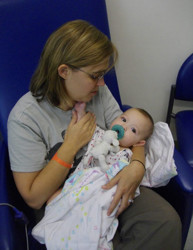
Morea was diagnosed at 7 weeks of age after a viral illness prompted evaluation for poor weight gain and proteinuria. Further workup at Children’s Mercy, including kidney biopsy and genetic testing, confirmed congenital nephrotic syndrome due to a rare genetic variant.
“When babies are born with congenital nephrotic syndrome, the kidneys lose protein in the urine, leading to complications such as hypoalbuminemia, edema, increased infection risk and progressive loss of kidney function,” said Heather Morgans, DO, pediatric nephrologist in the Brendan Tripp Elam Transplant Center at Children’s Mercy.
Initially, her condition was managed medically by the nephrology and transplant teams. As renal function declined, she developed nausea and poor appetite, necessitating gastrostomy tube placement. By 5½ years of age, Morea progressed to stage 5 chronic kidney disease and initiated home peritoneal dialysis while awaiting transplantation.
“Peritoneal dialysis uses the capillaries of the peritoneum to filter waste products and excess fluid overnight,” Dr. Morgans explained. “Dextrose‑based dialysate facilitates diffusion and ultrafiltration during cycling.”
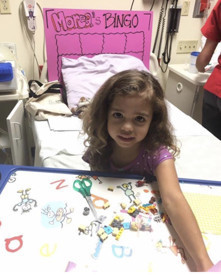 Despite intensive support, dialysis significantly impacted Morea’s daily functioning and energy level, limiting school attendance and extracurricular activities. During this period, she was placed on the active kidney transplant list, with evaluation for both living and deceased donors. Although no compatible living donors were identified, close monitoring continued.
As her disease progressed, hypertension became increasingly difficult to control.
“In advanced kidney failure, dysregulation of the renin‑angiotensin‑aldosterone system can significantly contribute to hypertension,” said Dr. Morgans.
To address blood pressure control and optimize space for a future graft, Morea underwent bilateral nephrectomy prior to transplantation. She required prolonged peritoneal dialysis post‑operatively until discharge.
In September 2017, at age 6, Morea received a deceased donor kidney transplant. Her surgical course and post‑operative recovery were uncomplicated. She transitioned successfully to immunosuppressive therapy, with routine laboratory monitoring and surveillance that tapered over time as graft function stabilized.
Post‑transplant, Morea experienced marked improvements in appetite, energy and growth. Growth hormone therapy supported catch‑up growth during childhood. She now follows an unrestricted diet, remains well hydrated and attends kidney clinic just four times per year.
“She has had an excellent post‑transplant course,” said Dr. Morgans. “Her success reflects strong adherence—consistent hydration, medication compliance and engagement in her care.”
Transplant coordinator Katelyn Walser, RN, BSN, CPN, CCTC, has worked with Morea since 2019 and notes that she has steadily assumed greater responsibility for managing her health. As she approaches adolescence, clinic visits focus not only on labs and medication management but also on preparing for eventual transition to adult care.
Morea’s graft function remains strong nearly nine years post‑transplant. While future retransplantation is anticipated—as the average kidney graft lifespan is 10 to 20 years—ongoing advances in immunosuppression may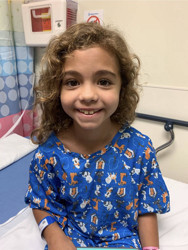 extend longevity.
Beyond her clinical milestones, Morea leads a full, typical teenage life. She remains active in dance, is preparing for driving independence and is exploring a potential future career in health care—motivated, in part, by her own medical journey.
Her case highlights the impact of coordinated, longitudinal pediatric nephrology and transplant care—from early diagnosis through adolescence—and the potential for sustained graft success paired with meaningful quality of life.